
“Mustard: A Global History” by Demet Guzey
The Edible Series launched by Reaktion Books in the UK and licensed by Pan Macmillan India is a brilliant set of books on food. At a time when there is excessive information available on the internet about food and a zillion cooking programmes, with many people advising on different kinds of cuisines, this series does a remarkable job of offering in a nutshell, a global history of the specific food item. Also included in every book are a bunch of recipes. Whether you agree with them or not is immaterial; the fact that they exist and allow the reader to explore some styles of cooking is a start. In fact, this series reminds me of The Modern Library Food series (Series Editor, Ruth Reichl). Those books were mostly a mix of travelogue, memoir and recipes, and were far more subjective than The Edible Series. The latter is objective, with well-researched images illustrating the text (a possible genuflection to the information age of “picturising” every text) and plenty of history. The space reserved for the recipes are at the end, a few pages. I find them a curious selection in every text — but then I read cookbooks to unwind, I collect recipe books and recipes and cook regularly in the old fashioned way.
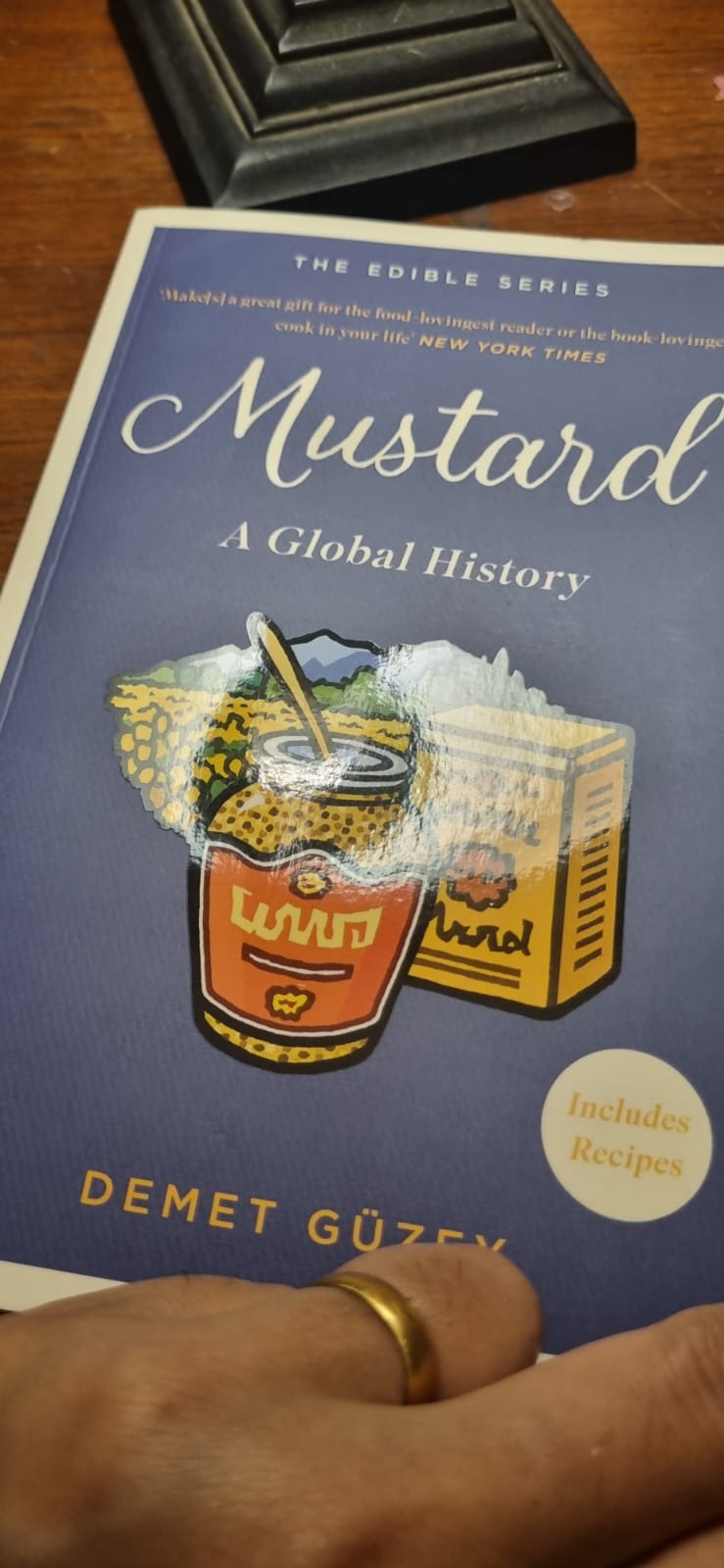
Mustard: A Global History is fascinating in its own way but what I cannot comprehend is that if editors lay stress on appropriate images to illustrate the text, then why not connect the dots with regard to the food mentioned. For example, on the opening page of the book, the first dish mentioned using mustard is mayonnaise. Throughout the book, there are a few more scattered references. Understandably so, since mustard is a key ingredient to the condiment. Yet, there isn’t a single recipe for it in the book. Why? Is it because it is considered to be an extremely difficult emulsion to prepare at home? In fact, the hallmark of a good cook is if they can create a perfect mayonnaise dressing. It is not easy! Trust me. I make it regularly. Everything has to be just right but once you master it, it is very quick and easy to make.
In fact, to correct the aberration in the book, here is my recipe for mayonnaise. It was given by a grand aunt. I find it very easy to make a large jar of it. It refrigerates well too. It is convenient to have it handy, as a sandwich spread or the base of other dressings, especially for a prawn cocktail.
Mayonnaise recipe
4 tablespoons vinegar
3 – 4 large eggs
4 teaspoons sugar
1 heaped teaspoon mustard
Salt and pepper to taste
1 large bottle salad oil
Mix all ingredients except salad oil at speed 3 for half a minute. Gradually add oil running the mixie motor on speed 1, turning it off every few seconds, till all the oil has been mixed.
Frankly, you can add the salt, pepper, mustard, and sugar as per your taste. Mix at a high speed for more than half a minute, if need be, to ensure that all the ingredients mix well. Then dribble the oil in slowly. I never switch off the mixie. It gets done.
Pour into bottles and refrigerate.
There are no shortcuts to making this recipe. Also be warned there will be many disasters along the way, but once past the learning curve, this is a brilliant recipe to keep handy.
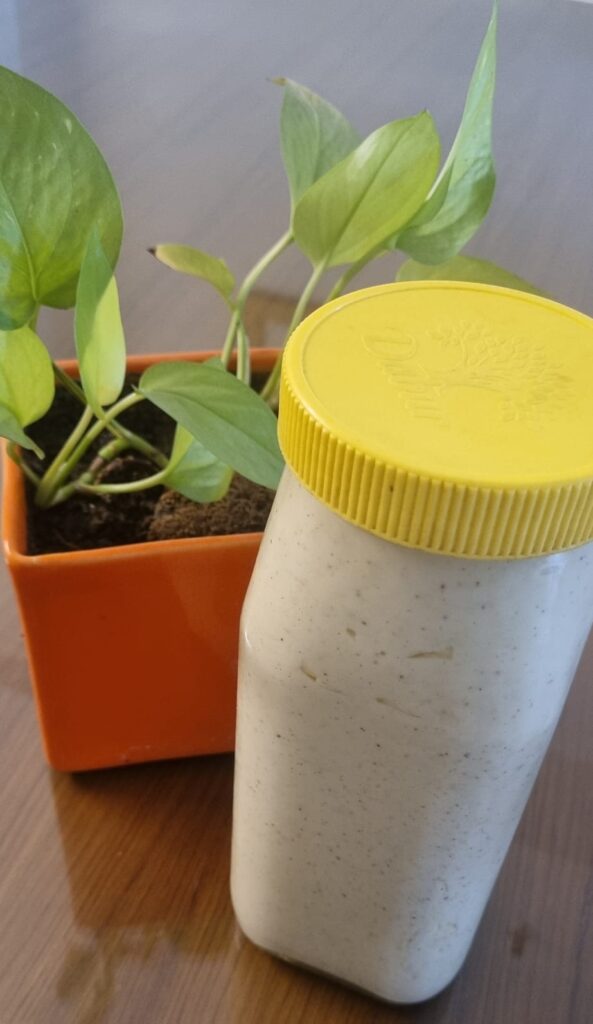
Here is an image of the latest batch that I made. It is devoured by everyone in the family. So, I have to ensure that there is always a fresh stock readily available.
31 August 2025